
Your career start represents one of the most critical decisions you'll make in your professional life. In 2026, artificial intelligence has transformed from a specialized niche into a mainstream career path that offers exceptional earning potential and unprecedented job security. Whether you're graduating from college, transitioning from another field, or re-entering the workforce, understanding how to position yourself for success in AI can dramatically accelerate your trajectory. The difference between those who struggle for years and those who land high-paying roles within months often comes down to strategic planning and execution right from day one.
Understanding the Modern Career Start Landscape
The traditional career start playbook no longer applies in today's AI-driven economy. Gone are the days when a degree alone guaranteed employment or when you needed to start at the bottom and work your way up over decades.
Today's successful career start requires:
- Demonstrated skills over theoretical knowledge
- Portfolio projects that showcase real-world capabilities
- Understanding of AI tools and workflows
- Strategic networking within AI communities
- Continuous learning mindset from day one
The highest paying AI jobs are increasingly accessible to career changers and beginners who take the right approach. Companies now prioritize practical skills and problem-solving ability over pedigree.
The AI Advantage for Career Starters
Starting your career in artificial intelligence positions you at the center of the fastest-growing sector in the global economy. Machine learning engineers, prompt engineers, and AI automation specialists command salaries that often exceed six figures within the first few years.
What makes AI particularly attractive for your career start is the relatively low barrier to entry compared to traditional tech roles. You don't necessarily need a computer science degree or years of programming experience to break in.

Essential Skills for Your AI Career Start
Building the right foundation determines whether your career start leads to rapid advancement or years of frustration. Focus your initial learning on skills that employers actively seek in 2026.
| Skill Category | Specific Skills | Time to Proficiency | Market Demand |
|---|---|---|---|
| Core AI Tools | ChatGPT, Claude, Midjourney | 2-4 weeks | Extremely High |
| Prompt Engineering | Chain-of-thought, few-shot learning | 4-6 weeks | Very High |
| Automation | Zapier, Make, Python basics | 6-8 weeks | High |
| Data Analysis | Excel, SQL, basic statistics | 8-12 weeks | High |
Technical Skills That Matter
Your career start should prioritize hands-on experience with tools that companies actually use. Theoretical knowledge matters far less than your ability to solve real problems using AI.
Focus on these practical applications:
- Building automated workflows that save time and reduce costs
- Creating AI-powered content systems
- Developing chatbots and customer service solutions
- Analyzing data and generating actionable insights
- Optimizing business processes through intelligent automation
The AI Certification Program – Mammoth Club offers structured training designed specifically for individuals beginning their career start in artificial intelligence. These programs combine practical projects with industry-recognized certifications that help you stand out during the hiring process.

Soft Skills That Accelerate Your Career Start
Technical proficiency alone won't guarantee success in your career start. The professionals who advance fastest combine technical skills with exceptional communication and business acumen.
Develop your ability to translate technical concepts into business value. Practice explaining how AI solutions impact revenue, reduce costs, or improve customer satisfaction. This skill differentiates you from purely technical candidates.
Building Your Portfolio Before Your Career Start
The most powerful tool for your career start isn't your resume. It's a portfolio of real projects that demonstrate your capabilities to potential employers.
Create portfolio projects that showcase:
- Problem-solving with AI tools
- Business impact and measurable results
- Your unique approach and creativity
- Technical competence without requiring coding expertise
- Clear documentation and presentation skills
Start with small projects that solve actual problems. Automate a repetitive task, create a content generation system, or build a chatbot that answers common questions. Document your process, challenges, and results.
Choosing Projects That Impress Employers
Your portfolio projects should align with the roles you're targeting. Research companies you want to work for and identify challenges they face that AI could solve.
For example, if you're interested in marketing roles, create an AI-powered content calendar system. If customer service appeals to you, build an intelligent FAQ chatbot. Tailor each project to demonstrate skills relevant to your target position.
Many professionals successfully launch their career start by solving problems for local businesses or nonprofits. These real-world projects provide valuable experience while building your network and generating testimonials.

Strategic Networking for Career Start Success
Your network determines opportunities available at your career start more than any other single factor. In AI specifically, communities are remarkably welcoming to newcomers who demonstrate genuine interest and willingness to learn.
Where to Build Your AI Network
LinkedIn remains the primary platform for professional networking in 2026. Optimize your profile to highlight AI skills, share insights about your learning journey, and engage with thought leaders in the field.
Effective networking strategies include:
- Joining AI-focused Discord and Slack communities
- Attending virtual and in-person AI meetups
- Contributing to open-source AI projects
- Sharing your learning and projects on social media
- Reaching out to professionals for informational interviews
The key is providing value before asking for anything. Share insights, help others solve problems, and contribute meaningfully to conversations. This approach builds authentic relationships that lead to opportunities.
Navigating the Job Search at Your Career Start
Traditional job search advice often fails for AI roles because the field evolves too quickly for standard hiring practices. Companies struggle to find qualified candidates, creating opportunities for strategic job seekers.
Alternative Paths Beyond Traditional Applications
Submitting applications through job boards represents the least effective approach for your career start. Instead, focus on strategies that bypass traditional screening processes.
Higher-success approaches include:
- Direct outreach to hiring managers with personalized messages highlighting relevant projects
- Leveraging your network for warm introductions to companies
- Creating content that demonstrates expertise and attracts inbound opportunities
- Freelancing or consulting to build experience and client relationships
- Contributing to company projects before applying for full-time roles
| Job Search Method | Success Rate | Time Investment | Skill Level Required |
|---|---|---|---|
| Online applications | 2-5% | Low | Any |
| Network referrals | 40-60% | Medium | Any |
| Direct outreach | 15-25% | High | Intermediate |
| Content marketing | 30-50% | Very High | Advanced |
Consider positions at companies undergoing digital transformation. These organizations desperately need AI talent but often receive fewer applications than trendy startups. Your career start might advance faster at a traditional company implementing AI than at a saturated tech giant.
Preparing for Your First AI Role
Once you secure interviews, preparation becomes critical. Companies evaluate AI candidates differently than traditional roles, focusing heavily on practical problem-solving and communication skills.
Research thoroughly before each interview. Understand the company's AI initiatives, challenges, and goals. Prepare specific examples of how your skills could address their needs.
Interview preparation checklist:
- Review your portfolio projects and be ready to discuss technical decisions
- Prepare questions that demonstrate industry knowledge
- Practice explaining AI concepts to non-technical audiences
- Research the company's competitors and market position
- Prepare examples of challenges you've overcome in your learning journey
According to Forbes’ essential tips for starting a new job, goal setting and adaptability rank among the most important factors for new career success. Apply these principles specifically to your AI role by setting clear learning objectives and remaining flexible as technologies evolve.
Negotiating Your First AI Offer
Many professionals undervalue themselves at their career start, accepting below-market compensation out of gratitude or inexperience. Remember that AI skills command premium salaries even for entry-level positions.
Research salary ranges for your specific role and location. Use sites like Glassdoor, Levels.fyi, and industry reports to establish benchmarks. Don't be afraid to negotiate, especially if you've demonstrated valuable skills through your portfolio.
Beyond base salary, consider the learning opportunities, mentorship availability, and career growth potential. Sometimes a slightly lower salary at a company with exceptional training and advancement paths proves more valuable long-term.
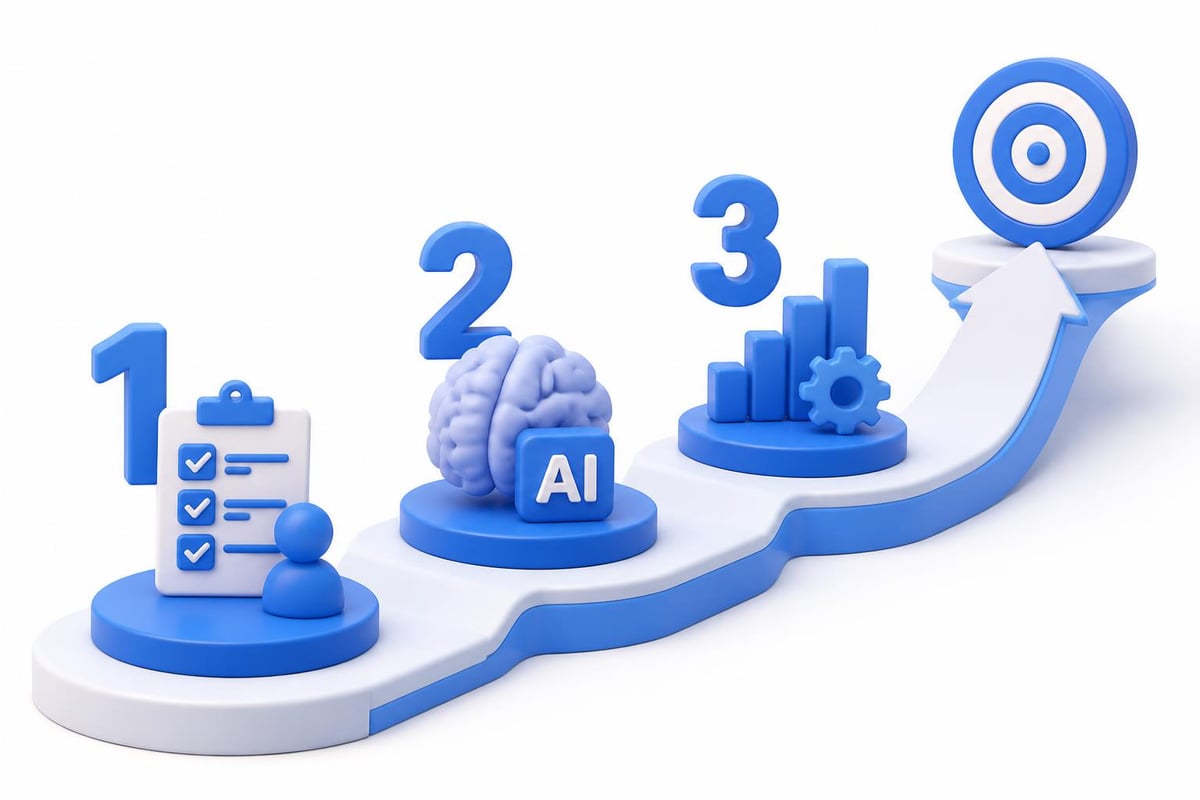
Maximizing Your First 90 Days
Your performance during the initial months of your career start sets the trajectory for years to come. The tips for successfully starting a new job emphasize building relationships and understanding company culture as foundations for long-term success.
Priority actions for your first three months:
- Document everything you learn about tools, processes, and workflows
- Build relationships across departments, not just within your immediate team
- Identify quick wins that demonstrate immediate value
- Ask questions proactively rather than making assumptions
- Seek feedback regularly and implement it visibly
Volunteer for projects that expose you to different aspects of the business. The more you understand about how AI impacts various departments, the more valuable you become to the organization.
Continuing Education Beyond Your Career Start
Your learning doesn't stop once you land your first role. In fact, it accelerates. The AI field evolves so rapidly that professionals must commit to continuous skill development to remain competitive.
Dedicate time weekly to exploring new tools, techniques, and applications. Follow industry leaders, read research papers, and experiment with emerging technologies. This habit separates professionals who advance from those who stagnate.
For those exploring careers with no experience, AI offers unique advantages. The field values demonstrated ability over credentials, creating opportunities for motivated learners to bypass traditional career ladders.
Avoiding Common Career Start Mistakes
Understanding what not to do proves as valuable as knowing the right steps. Many professionals sabotage their career start through preventable mistakes.
Critical errors to avoid:
- Waiting until you feel "ready" before applying (you never will)
- Pursuing every certification without building practical skills
- Neglecting soft skills while focusing exclusively on technical training
- Failing to document and showcase your learning journey
- Comparing your beginning to others' middle or end stages
The strategies for job seekers over 50 emphasize networking and skill enhancement, principles that apply regardless of age. Your career start succeeds when you focus on building genuine capabilities while strategically positioning yourself in the market.
Managing Career Start Anxiety
Starting a new career, especially in a rapidly evolving field like AI, naturally generates anxiety. Acknowledge these feelings without letting them paralyze you.
Set realistic expectations for your career start timeline. Landing your first role typically takes 3-6 months of focused effort, not weeks. Build systems and routines that create consistent progress rather than relying on motivation alone.
Connect with others at similar career stages. Peer support groups provide accountability, shared resources, and emotional support during challenging periods. Remember that everyone successful in AI today started exactly where you are now.
Leveraging AI Tools in Your Job Search
Ironically, AI tools themselves can accelerate your career start in artificial intelligence. Use these technologies strategically throughout your job search and preparation.
Practical applications include:
- Optimizing your resume and cover letters for ATS systems and human reviewers
- Researching companies and preparing for interviews
- Creating portfolio project documentation and case studies
- Developing your personal brand and content strategy
- Learning new skills through AI-powered tutoring and practice
The professionals who succeed fastest in their career start typically embrace AI tools while maintaining human judgment and creativity. Use automation where it adds value, but ensure your personal voice and unique perspective remain central.
Your career start in artificial intelligence represents an opportunity to build a high-paying, future-proof career in one of the most dynamic fields in the modern economy. By focusing on practical skills, building a compelling portfolio, and strategically networking, you can dramatically accelerate your path to success. Whether you're looking to transition into AI or exploring high-paying opportunities, the right approach makes all the difference. AI Career Central provides the step-by-step guidance, practical training, and certification paths you need to launch your AI career faster and position yourself for long-term growth in this rapidly expanding field.