
The job market has fundamentally shifted in 2026, creating unprecedented opportunities for individuals seeking a career no experience required. If you've been told you need years of experience to land a decent job, it's time to reconsider that outdated advice. Technology-driven fields, particularly artificial intelligence, are now hiring based on skills and potential rather than traditional work history. This represents a massive opportunity for career changers, recent graduates, and anyone looking to break into lucrative industries without the burden of prior experience holding them back.
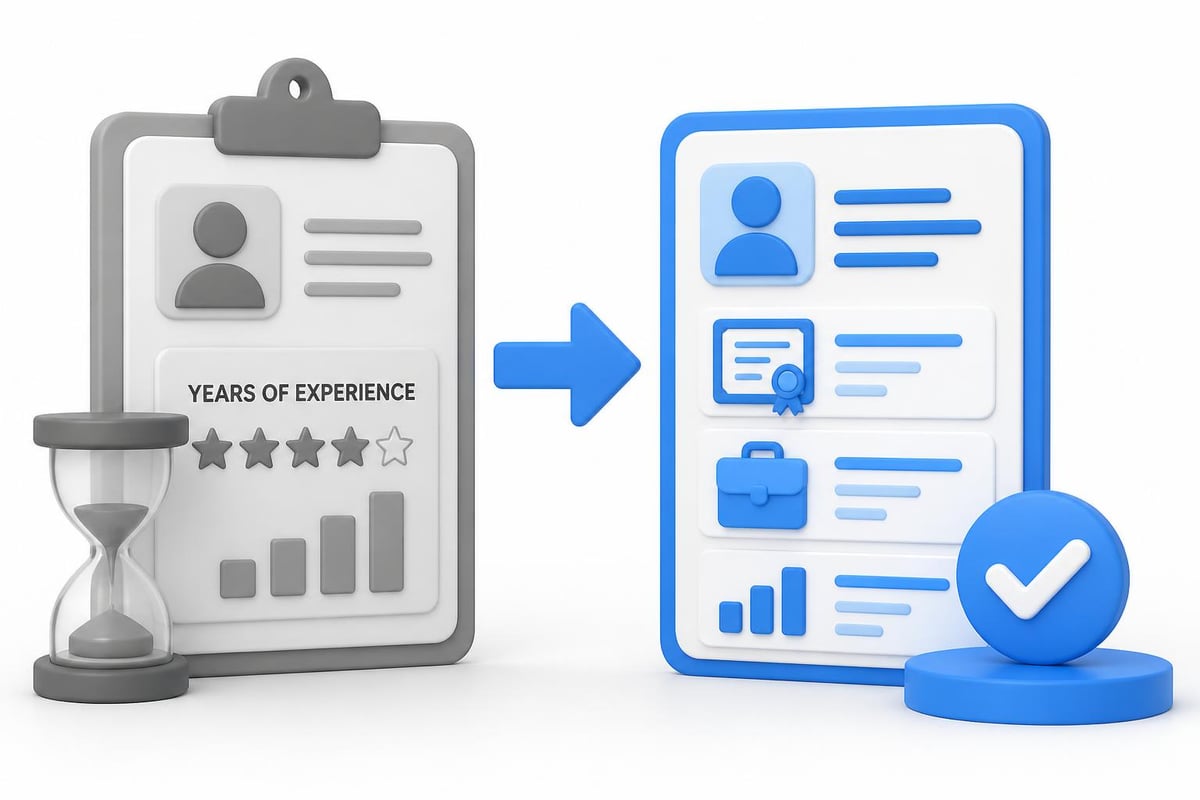
Why Experience Requirements Are Disappearing in 2026
The traditional hiring model is breaking down. Companies across industries are realizing that experience doesn't always equal competence, especially in fast-evolving fields where yesterday's skills become obsolete tomorrow.
The shift toward skills-based hiring has accelerated for several key reasons:
- AI and automation tools have made it easier for newcomers to perform tasks that previously required years of training
- The shortage of qualified workers in emerging fields forces companies to train from within
- Remote work has expanded the talent pool, making it harder to justify strict experience requirements
- Micro-credentials and certifications now validate skills more effectively than traditional degrees
This transformation creates clear pathways for those searching for a career no experience required. According to recent research on skill requirements in digital positions, employers increasingly prioritize demonstrable competencies over lengthy resumes.
The Hidden Job Market for Beginners
Many high-paying positions go unadvertised or remain hidden behind vague job postings. While some listings might still mention "experience preferred," that language often serves as a filter rather than a hard requirement. Understanding how ghost jobs affect the market helps you navigate these misleading postings more effectively.
Top Industries Hiring Without Experience Requirements
Not all industries embrace beginners equally. Some sectors actively seek fresh talent who can be trained in current methodologies rather than workers who need to unlearn outdated practices.
Artificial Intelligence and Machine Learning
AI represents the most promising field for those seeking a career no experience required. The industry is growing so rapidly that companies simply cannot find enough experienced professionals to fill open positions. This shortage creates opportunities for motivated learners to enter at competitive salaries.
Entry points in AI include:
- Prompt Engineering: Crafting effective instructions for AI systems requires creativity and communication skills rather than programming expertise
- AI Training and Data Labeling: Teaching AI systems by categorizing data and providing feedback
- AI Implementation Specialists: Helping businesses integrate AI tools into existing workflows
- Chatbot Developers: Building conversational interfaces using low-code or no-code platforms
The beauty of AI careers is that many roles didn't exist five years ago, meaning everyone is relatively new to them. Nobody has 10 years of experience with tools released in 2024, leveling the playing field for newcomers.
Digital Marketing and Content Creation
Brands need people who understand modern platforms and audience behavior. Fresh perspectives often prove more valuable than traditional marketing experience, particularly when targeting younger demographics or emerging channels.
| Role | Why No Experience Works | Starting Salary Range |
|---|---|---|
| Social Media Manager | Platform changes constantly; recent users understand current trends | $45,000-$65,000 |
| Content Strategist | AI tools assist with research and optimization | $50,000-$70,000 |
| SEO Specialist | Technical skills learned quickly with proper training | $48,000-$68,000 |
| Email Marketing Coordinator | Automation platforms simplify complex campaigns | $42,000-$60,000 |
Customer Success and Technical Support
Technology companies need people who can explain complex products to non-technical users. This role emphasizes communication and problem-solving abilities over prior work history, making it an ideal career no experience required option.
Companies like Salesforce, HubSpot, and various SaaS startups regularly hire customer success representatives without requiring previous experience in the field. They provide comprehensive training because they need people who can learn their specific products and represent their brand values.
Building Your Credibility From Zero
Landing a career no experience required doesn't mean showing up empty-handed. You need to demonstrate potential and commitment through alternative credentials that prove you're ready to contribute from day one.
Certification Strategies That Work
Traditional four-year degrees no longer hold monopoly power over career credentials. Targeted certifications signal specialization and current knowledge in ways that general education cannot match.
For those interested in AI specifically, structured programs provide the fastest path forward. The AI Certification Program – Mammoth Club offers practical training in real-world AI workflows, automation, and in-demand tools that employers actively seek. These certifications demonstrate capability without requiring previous professional experience, making them perfect for breaking into the industry.

Effective certification characteristics include:
- Industry recognition from employers in your target field
- Project-based learning that creates portfolio pieces
- Current content updated for 2026 technologies and methodologies
- Specific skills employers mention in job descriptions
- Completion timelines under six months for faster career transition
Portfolio Development Without Professional Projects
You don't need paid clients to build an impressive portfolio. Creating mock projects, contributing to open-source initiatives, or solving real problems for local organizations all demonstrate your capabilities.

Portfolio-building approaches that impress employers:
- Solve real problems: Identify inefficiencies in processes you encounter and document how you'd improve them using your target skills
- Replicate professional work: Study examples from leaders in your field and create similar projects with your own twist
- Contribute to communities: Answer questions in forums, create tutorials, or help others learn
- Document your learning journey: Share what you're discovering through blog posts or video content
- Build tools for personal use: Create applications, systems, or processes that solve problems in your own life
This approach helps those exploring careers with no experience needed build tangible proof of their abilities.
Strategic Job Search Approaches for Beginners
Finding a career no experience required requires different tactics than traditional job hunting. You need to position yourself where opportunities exist and present your value in ways that overcome the lack of traditional credentials.
Targeting the Right Companies
Not all employers embrace entry-level talent equally. Startups, growth-stage companies, and organizations undergoing digital transformation often provide the best opportunities for those without extensive experience.
These companies need adaptable people who can learn quickly rather than specialists set in their ways. They're building new departments, implementing emerging technologies, and creating processes from scratch-perfect environments for newcomers to make meaningful contributions.
| Company Type | Why They Hire Beginners | What They Value Most |
|---|---|---|
| Startups | Limited budgets; need versatile team members | Adaptability, learning speed, cultural fit |
| Digital Agencies | High turnover; constant client diversity | Fresh ideas, current platform knowledge |
| Enterprise AI Teams | New departments; few "experienced" candidates exist | Technical curiosity, certification credentials |
| E-commerce Brands | Rapid scaling; need volume of support | Customer empathy, problem-solving ability |
Application Materials That Overcome Experience Gaps
Your resume and cover letter must address the experience question head-on. Ignoring it raises red flags, while confidently explaining your alternative qualifications builds credibility.
Resume strategies for career no experience required seekers:
- Lead with a skills summary highlighting relevant technical competencies
- Emphasize transferable abilities from any previous roles, education, or life experiences
- Include certifications prominently, treating them as equivalent to work experience
- Quantify achievements from projects, volunteer work, or personal initiatives
- Remove graduation dates and other age indicators that might trigger bias
When crafting your materials, refer to comprehensive guides on how to get a job with no experience for additional formatting and content strategies.
Your cover letter should directly acknowledge why you're the right fit despite lacking traditional experience. Frame your fresh perspective as an advantage, explain how your recent training in current technologies makes you more valuable than someone with outdated skills, and demonstrate knowledge of the company's specific challenges.
Networking Strategies That Open Doors
The majority of jobs are filled through connections rather than public postings. For those seeking a career no experience required, building relationships becomes even more critical than for traditional candidates.
Digital Networking for the Modern Job Seeker
LinkedIn remains powerful, but 2026 networking extends far beyond the platform. Professional communities on Discord, Slack channels for industry-specific groups, Twitter/X conversations around trending topics, and GitHub contributions all create visibility and connections.
Participate authentically in these spaces. Answer questions when you can, ask thoughtful questions when you can't, and share valuable resources. This consistent presence builds relationships that eventually lead to opportunities.
Don't underestimate the power of cold outreach when done correctly. Research shows that personalized messages to hiring managers or team members can yield response rates above 30% when you demonstrate genuine interest and relevant knowledge.
Informational Interviews That Convert to Opportunities
Requesting informational interviews removes pressure from both parties while giving you insider knowledge about breaking into the field. Most professionals enjoy sharing their experiences and advising motivated beginners.
Effective informational interview structure:
- Research the person's background and prepare specific questions
- Request 15-20 minutes of their time, respecting their schedule
- Ask about their entry into the field, especially if they lacked traditional experience
- Inquire about skills they wish they'd developed earlier
- Request introductions to others in the field only if the conversation goes well
- Follow up with a thank-you note and occasional updates on your progress
These conversations often lead to job referrals or early notifications about openings before they're publicly posted. When exploring resources like Career.io’s tips for job hunting, combine written advice with these personal connections for maximum impact.

Overcoming Common Obstacles and Objections
Even in career no experience required roles, you'll face skepticism and rejection. Understanding how to address common concerns helps you persist through the job search process.
Addressing the Age Question
Career changers at any age face unique challenges. Younger candidates might be dismissed as inexperienced, while older applicants encounter age-related hiring bias that contradicts experience requirements.
For younger job seekers:
- Emphasize maturity through project management examples
- Demonstrate financial responsibility and long-term thinking
- Show consistency in following through on commitments
For career changers over 40:
- Highlight transferable leadership and organizational skills
- Frame your fresh AI perspective as valuable diversity of thought
- Target companies with age-diverse teams and inclusive cultures
Handling Rejection and Maintaining Momentum
Rejection is inevitable when seeking a career no experience required. The key is treating each "no" as data rather than defeat. What can you learn from the experience? Where can you improve your presentation?
Track your applications, interviews, and feedback systematically. After 20-30 applications, patterns emerge showing which approaches work and which fall flat. Adjust your strategy based on evidence rather than emotion.
Maintain momentum by setting daily activity goals rather than outcome goals. You can't control whether someone hires you, but you can control applying to five positions, reaching out to three new connections, or completing one certification module each day.
Maximizing Your First 90 Days
Once you land a career no experience required position, your initial performance determines your trajectory. The first three months establish your reputation and set the foundation for advancement.
Learning Faster Than Your Peers
New environments overwhelm everyone initially. The difference between thriving and merely surviving comes down to learning velocity and strategic relationship-building.
Accelerated learning tactics:
- Document everything: Create personal reference guides for processes and tools
- Ask strategic questions: Before asking, attempt to find answers independently, then ask while explaining what you've already tried
- Request feedback frequently: Don't wait for formal reviews to understand how you're performing
- Find a mentor unofficially: Identify someone successful in a similar role and observe their methods
- Contribute quickly: Look for small wins where you can add value immediately
For those entering AI as a career, the learning curve feels steep but the progression potential exceeds traditional fields. Companies expect training periods and invest in developing talent because retaining employees costs less than constant recruiting.
Building Toward Your Next Opportunity
Your first career no experience required role serves as a stepping stone. Within 12-18 months, you should accumulate enough accomplishments to qualify for more advanced positions with better compensation.
| Timeline | Focus Area | Outcome Goal |
|---|---|---|
| Months 1-3 | Foundation building, relationship development | Competent in daily responsibilities |
| Months 4-6 | Process improvement, skill expansion | Contributing beyond basic job description |
| Months 7-12 | Project ownership, mentoring newer team members | Ready for increased responsibility |
| Months 13-18 | Strategic initiatives, specialized expertise | Qualified for promotion or lateral move |
Document your achievements throughout this journey. When it's time to negotiate a raise, seek promotion, or explore external opportunities, you'll have concrete examples of value delivered.
Alternative Paths to Consider
Traditional employment isn't the only route into a lucrative career. Freelancing, contract work, and project-based engagements often have even lower barriers to entry than full-time positions.
Freelancing as a Career Launch Strategy
Platforms like Upwork, Fiverr, and specialized AI marketplaces connect skilled individuals with clients who need specific tasks completed. These gigs build your portfolio, generate income, and provide references faster than waiting for traditional hiring cycles.
Start with smaller projects priced competitively to build ratings and testimonials. As your reputation grows, you can increase rates and be more selective about clients. Many freelancers eventually convert their best clients into full-time positions or build agencies around their services.
Apprenticeships and Externships
Programs like Externships match aspiring professionals with companies for short-term projects. These arrangements let you gain experience, build connections, and demonstrate value without the commitment of full employment.
Companies benefit by evaluating potential hires before making offers, while participants gain real-world experience that overcomes the career no experience required challenge. Many of these programs convert into full-time positions for top performers.
Resources for Continued Growth
Your career development doesn't end when you land your first position. Continuous learning separates those who plateau from those who advance into higher-paying roles.
Finding the Right Job Platforms
Not all job boards serve entry-level seekers equally well. The best job sites in 2026 vary depending on your industry and experience level. AI-specific platforms, startup job boards, and remote work sites often list more career no experience required opportunities than traditional corporate job boards.
Create profiles on multiple platforms and set up alerts for relevant positions. Apply quickly to new listings, as early applicants typically receive more attention than later ones.
Staying Current in Fast-Changing Fields
AI evolves rapidly, making continuous learning non-negotiable for long-term success. Follow industry leaders on social media, subscribe to relevant newsletters, participate in online communities, and complete micro-courses on emerging tools and techniques.
Set aside dedicated learning time weekly. Even 3-5 hours per week compounds into substantial skill development over months and years. Those who explore resources on computer skills and stay current with technological changes maintain competitive advantages throughout their careers.
The path from no skills to a thriving career is more accessible in 2026 than ever before. For additional strategies on the job search process, comprehensive guides like Sproutern’s complete resource offer detailed tactics for every stage of your journey.
Breaking into a career no experience required in 2026 is entirely achievable with the right strategy, credentials, and persistence. The AI industry particularly offers unprecedented opportunities for motivated learners willing to develop in-demand skills and demonstrate their value through projects and certifications. AI Career Central provides the step-by-step guidance, practical training, and certification pathways you need to transition into high-paying AI roles faster, regardless of your current experience level. Start building your future today.